Mission

To deliver principled, integrated humanitarian and development programming that restores dignity, builds resilience, and advances the prosperity of communities across the Horn of Africa.

Vision

A Horn of Africa where every person — regardless of gender, age, ethnicity, or displacement status — lives in safety, with access to quality services, a healthy environment, and the opportunity to thrive.

Core Values

HARO's seven core values are operational commitments that govern every decision, partnership, and programme: Humanity, Impartiality, Integrity, Resilience, Inclusion, Sustainability, and Partnership.

About Horn Aid Resilience Organisation (HARO)

HornAidResilience Organisation (HARO) was conceived by a group of Somali humanitarian practitioners, development professionals, and community leaders who shared a common conviction: that Somalia's communities deserved a homegrown, principled, and technically competent organisation capable of walking with them through crisis and recovery alike.

The founders of HARO bring together decades of combined experience working within and alongside major international humanitarian agencies across the Horn of Africa. Having witnessed persistent gaps between international humanitarian programming and the lived realities of affected communities — including cultural disconnects, limited community ownership, and insufficient attention to long-term resilience — they resolved to establish an organisation that bridges these divides.

Formally constituted in 2017, registered under the laws of the Federal Republic of Somalia, HARO immediately commenced its foundational programming across priority regions. The organisation's name represents resilience and aspiration, capturing precisely what HARO strives to make real for the communities it serves.

  • The Gap We Fill: HARO was established in response to specific and persistent programmatic gaps observed across Somalia's humanitarian and development landscape.
  • HARO is a Somali-led and community-embedded organisation, building genuine local ownership and prioritising last-mile communities overlooked by larger actors.
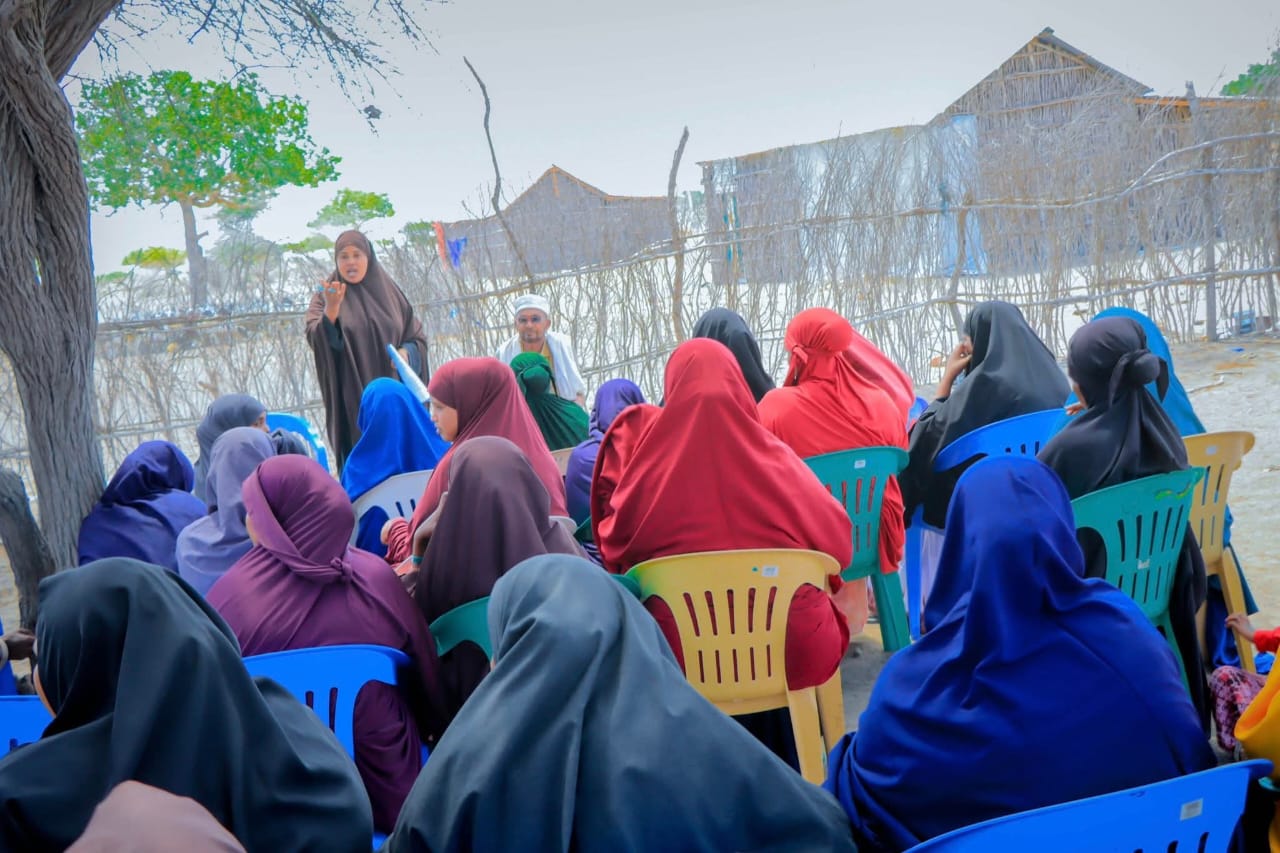
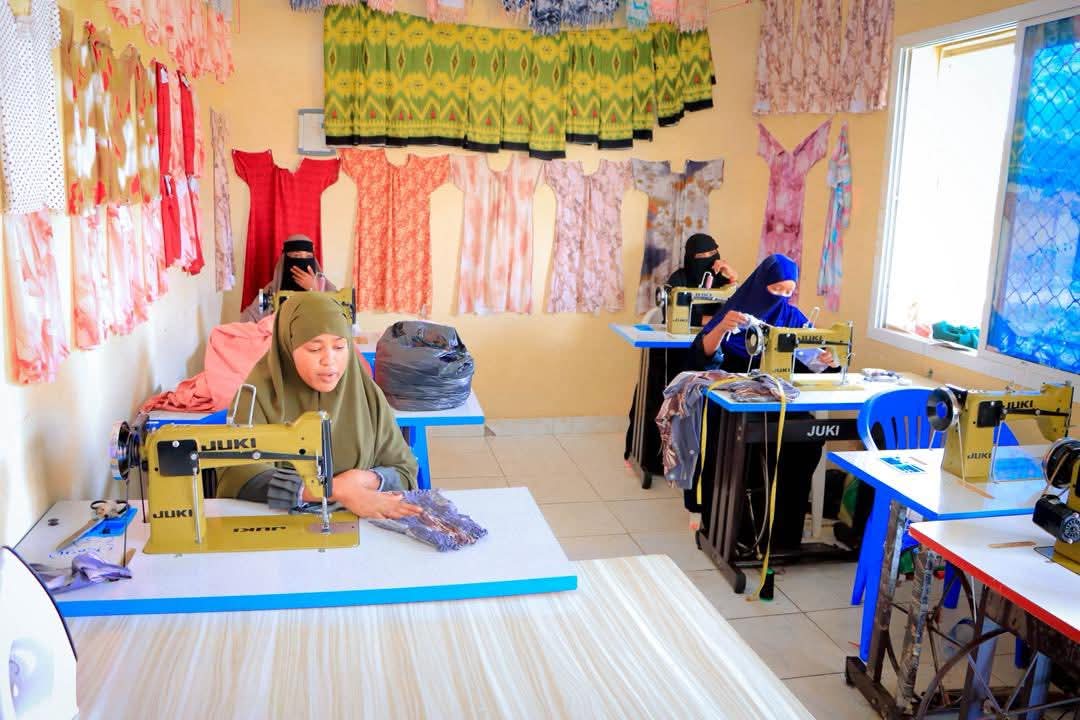
  • HARO integrates climate adaptation into all sectoral interventions and mandates gender and youth inclusion at every programmatic level.
Discover More
Community resilience and climate adaptation

Strategic Objectives by Sector

HARO's six programmatic sectors are deeply interconnected — gains in one sector create enabling conditions for progress in others. The expanded objectives below provide a comprehensive view of HARO's intended sectoral contributions, grounded in Somalia's humanitarian reality and aligned with international standards and national frameworks.

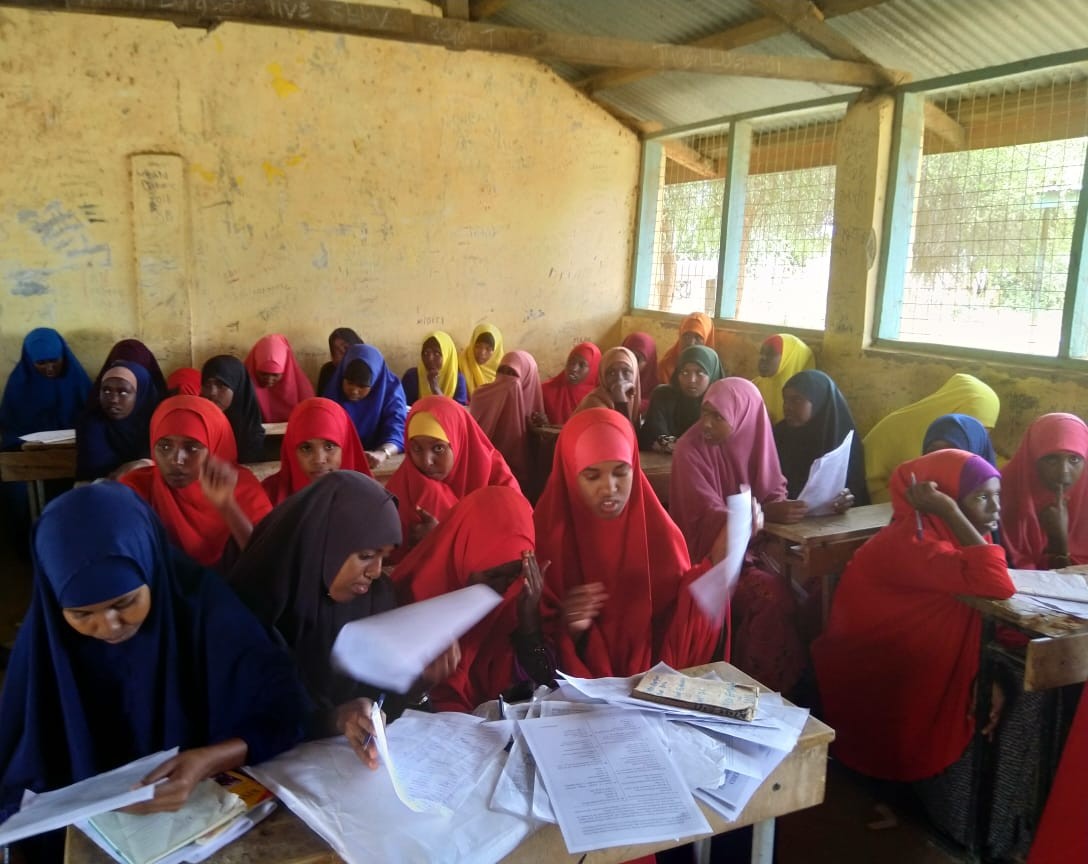
Quality Education

Somalia has one of the world's lowest school enrolment rates, with an estimated 3 million school-age children out of school. Girls, children with disabilities, and children from nomadic or IDP communities face the greatest barriers to education access.

Learn More

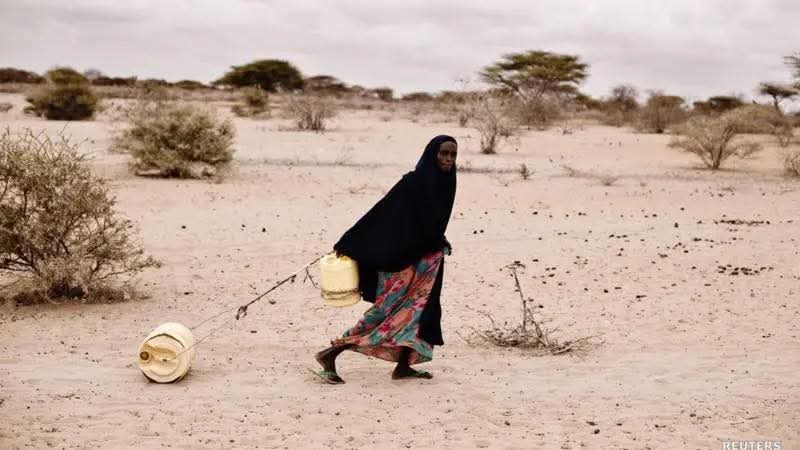
Climate Change Mitigation & Adaptation

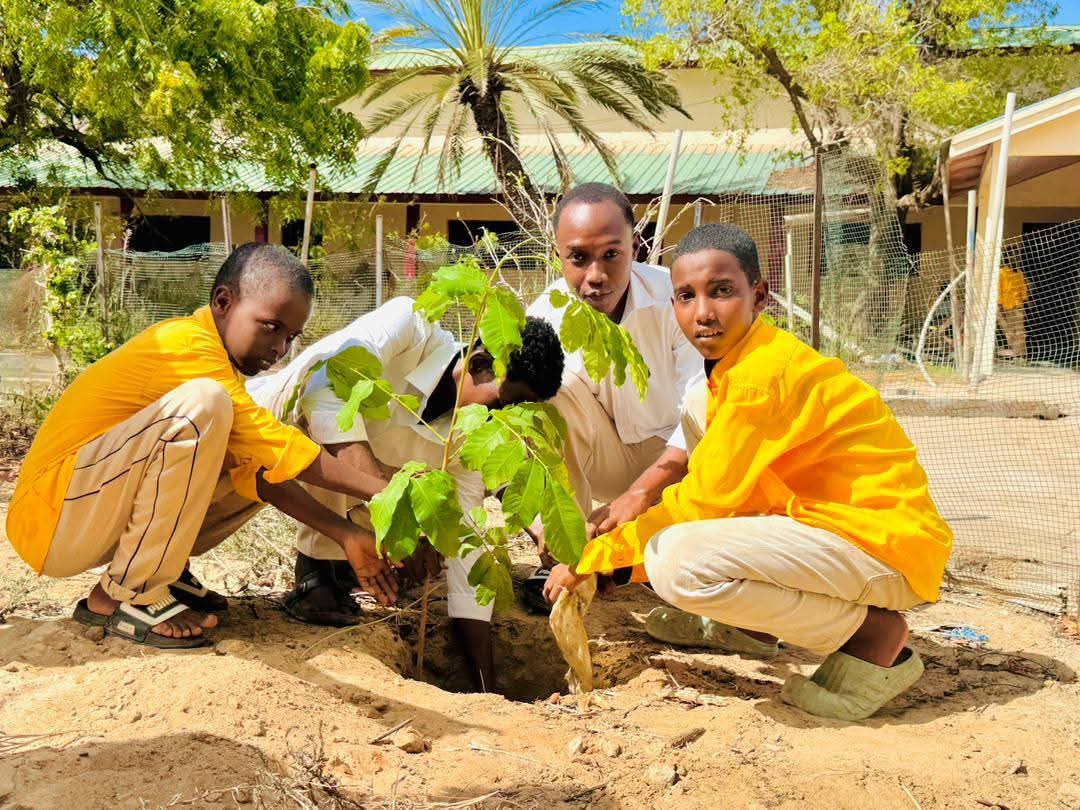
Somalia experiences extreme and increasingly unpredictable weather patterns — prolonged droughts, flash floods, and rising temperatures — that devastate livelihoods, displace populations, and undermine development gains.

Learn More

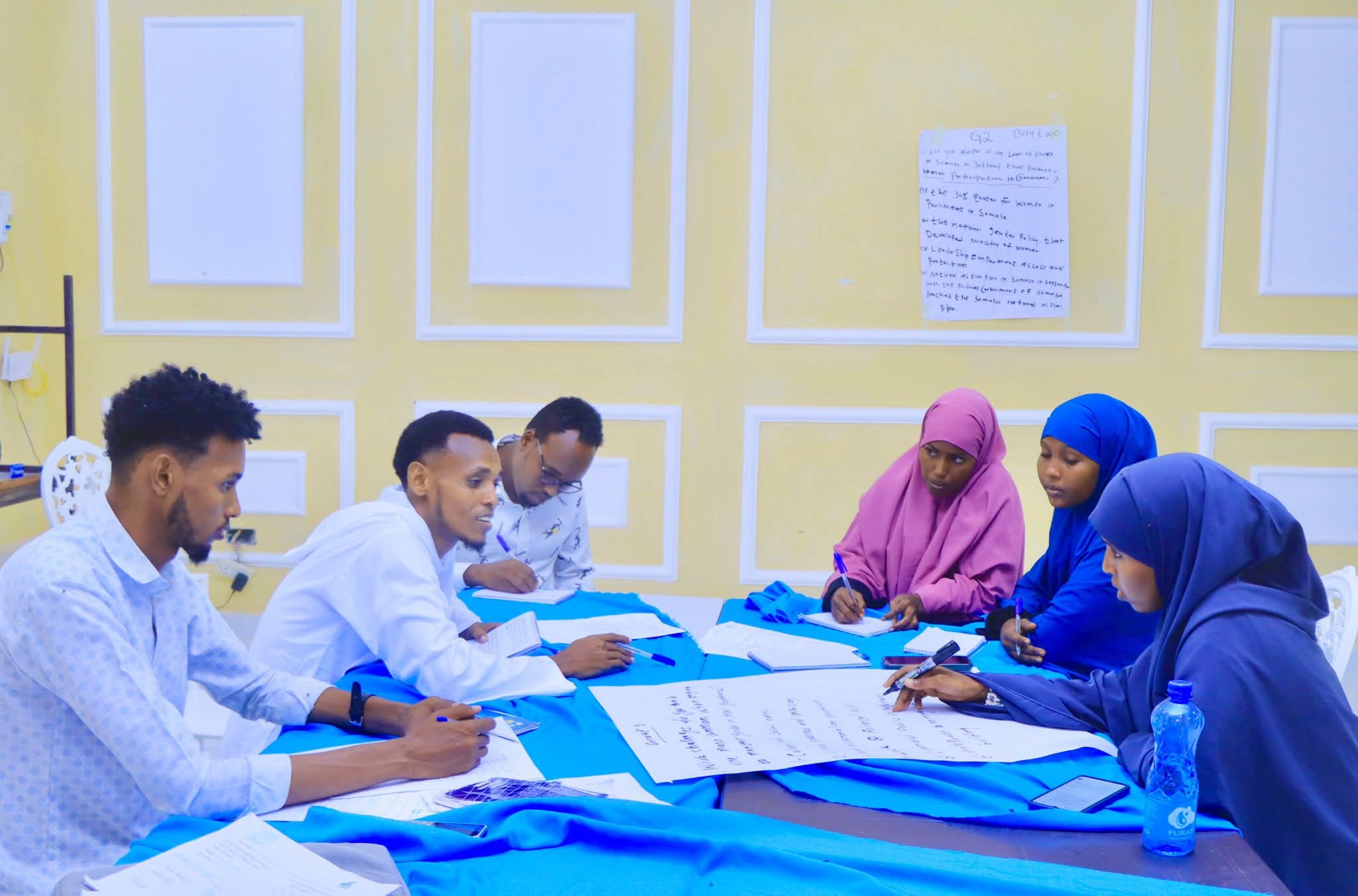
Protection & Human Rights

Protection concerns in Somalia are severe and pervasive. Gender-based violence, child recruitment, and the absence of effective rule of law leave vulnerable populations without recourse or support.

Learn More

Water, Sanitation & Hygiene (WASH)

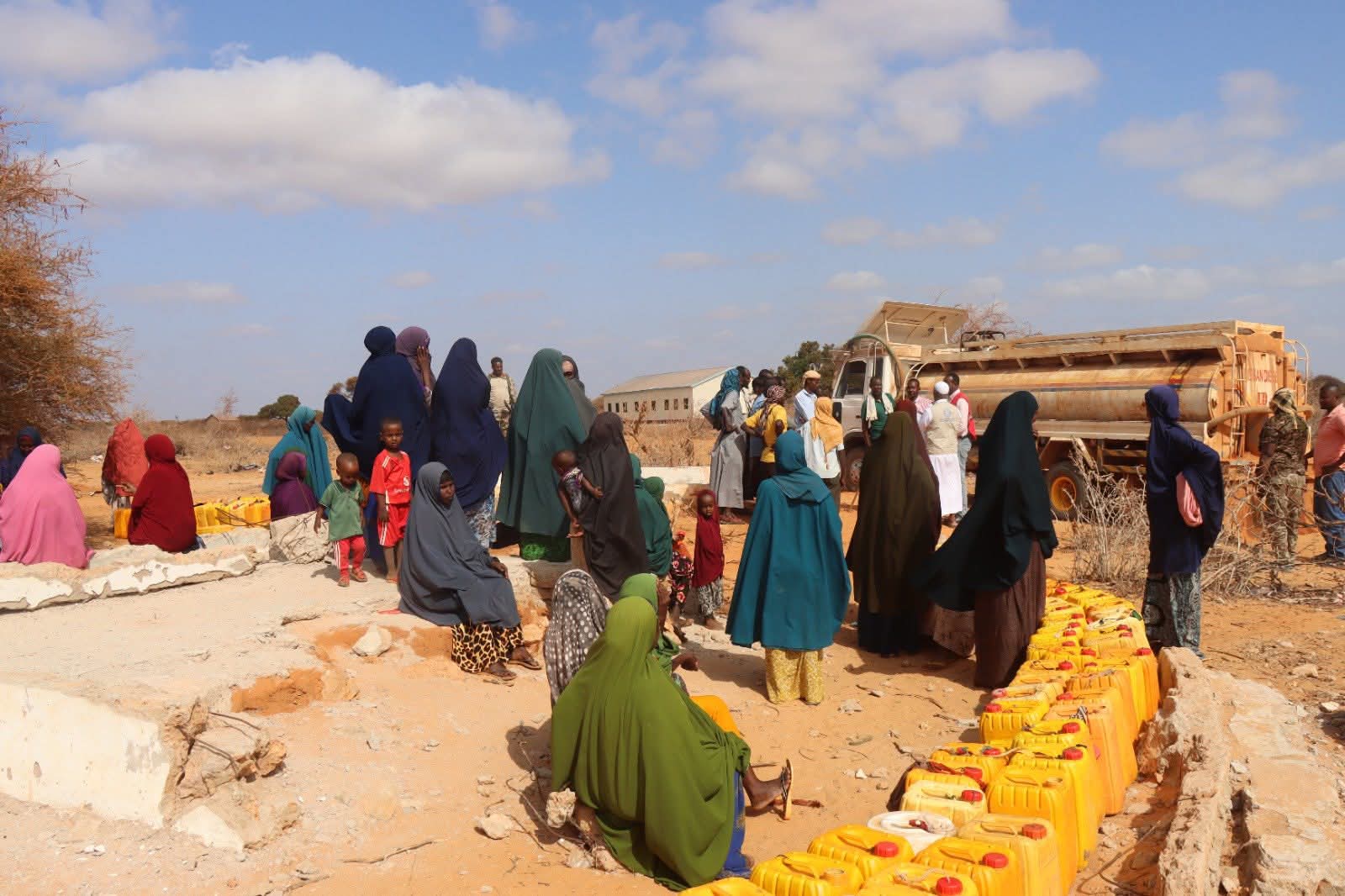
Access to safe water and adequate sanitation remains one of Somalia's most critical humanitarian challenges. An estimated 4.4 million Somalis lack access to safe drinking water.

Learn More

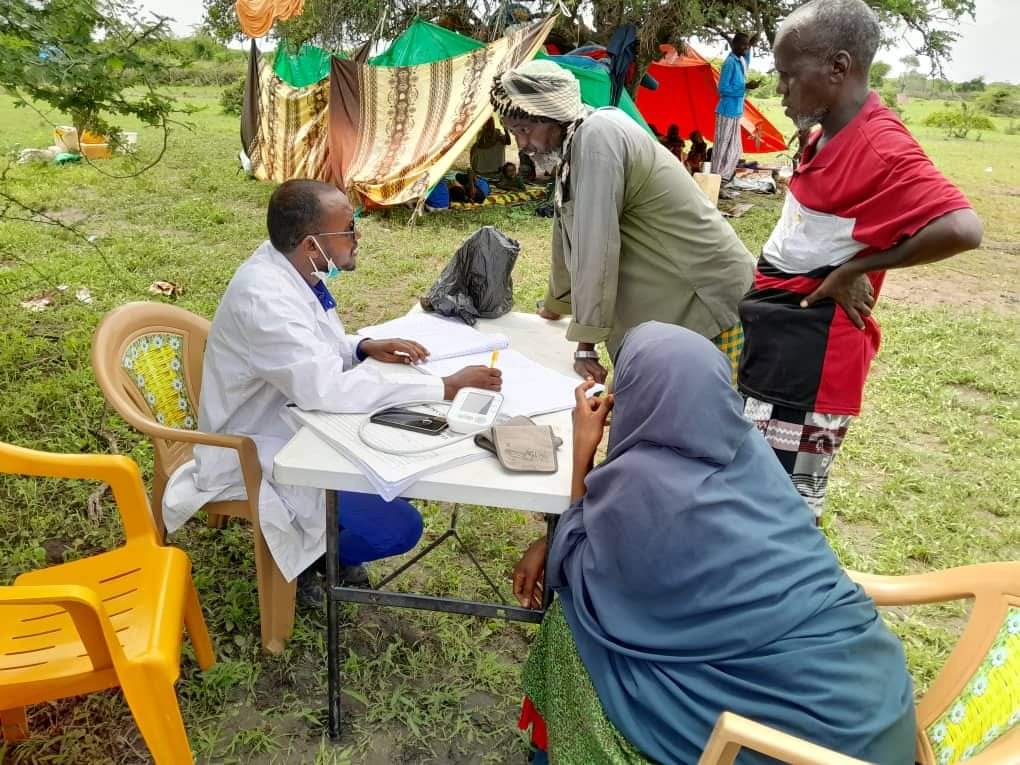
Health Services

Somalia has a maternal mortality ratio of approximately 692 per 100,000 live births, and an under-5 mortality rate of 110 per 1,000 live births — among the highest globally.

Learn More

Emergency Response

Somalia experiences near-annual cycles of drought, flooding, conflict displacement, and disease outbreaks that create acute humanitarian needs for millions of people simultaneously.

Learn More

Guiding Humanitarian Principles

HARO is fully committed to and guided by the four core humanitarian principles endorsed by the United Nations General Assembly and the International Red Cross and Red Crescent Movement: Humanity, Impartiality, Neutrality, and Independence.

Support Our Programs

Gallery

Every programme we implement tells a story — a story of access, resilience, and measurable impact. From connecting displaced communities to life-saving protection services and delivering emergency response in crisis-affected areas, to advancing climate adaptation, improving WASH infrastructure, and building inclusive education, our work reflects a commitment to humanitarian excellence and sustainable development.

  • All Projects
  • Quality Education
  • Climate Change
  • Protection
  • WASH
Education

Quality Education

Climate Change

Climate Mitigation & Adaptation

Peace & Human Rights

Protection

WASH

Water, Sanitation & Hygiene

Emergency

Emergency Response

Primary Health Care

Health Services

Community Engagement

Our Programming Approach

Integration Across the Humanitarian-Development-Peace Nexus

HARO does not treat emergency response and development programming as separate functions. Every acute intervention is designed with a transition pathway toward long-term resilience and self-sufficiency.

Community Ownership & Participation

Communities are not passive recipients of HARO's work — they are co-designers, implementers, and evaluators. HARO invests in community mobilisation, participatory needs assessment, and community-led structures.

Gender Equality & Social Inclusion (GESI)

HARO applies a rigorous Gender Equality and Social Inclusion lens to all programming, maintaining a minimum 50% female participation target across all programme activities.

Evidence, Learning & Accountability

HARO operates a dedicated Monitoring, Evaluation, Accountability and Learning (MEAL) function that generates real-time programme data and ensures accountability to affected populations.

Target Regions in Somalia

HARO's operational footprint covers three priority regions selected based on humanitarian need, population vulnerability, operational access, and strategic complementarity with existing humanitarian response.

Banadir Region

Including Mogadishu and surrounding districts, home to a significant IDP population.

Jubaland State

Including Kismayo and surrounding areas, with significant humanitarian needs and displacement.

South West State

Including Baidoa, a hub for humanitarian operations and displacement-affected communities.

Call To Action

Despite significant humanitarian investment from the international community, critical gaps remain, particularly in areas beyond major urban centres. HARO is established specifically to address these gaps with a locally embedded, community-centred approach.

Contact

Let's Work Together to Transform Communities

We are committed to delivering sustainable, evidence-based humanitarian and development interventions that strengthen education systems, protect vulnerable communities, improve health and WASH services, promote climate resilience, and provide life-saving emergency response support. We welcome partnerships with institutions, donors, governments, communities, and individuals who share our vision for lasting social impact.

Get in touch and let's build something meaningful together.

Every meaningful change begins with collaboration. We partner with communities, institutions, and stakeholders to deliver sustainable humanitarian and development solutions that strengthen resilience, improve lives, and create lasting impact.

Ready to Advance Sustainable Solutions

Join us in creating sustainable solutions that empower vulnerable communities, strengthen resilience, and transform lives.

Email Us

info@hornaidresilience.org

Call Us

+2(526) 987-6543

Available 9AM - 5PM EAT
Visit Our Office

Trepiano, Mogadishu, Somalia

Open Monday - Friday