Our Programs
Explore our comprehensive humanitarian and development programs across six interconnected sectors
Quality Education
Addressing Somalia's critical education gap, with 3 million children out of school. Our programs focus on access, retention, and quality learning.
Learn MoreWater, Sanitation & Hygiene
Tackling the WASH crisis affecting 4.4 million Somalis without access to safe drinking water. Building sustainable water infrastructure and hygiene practices.
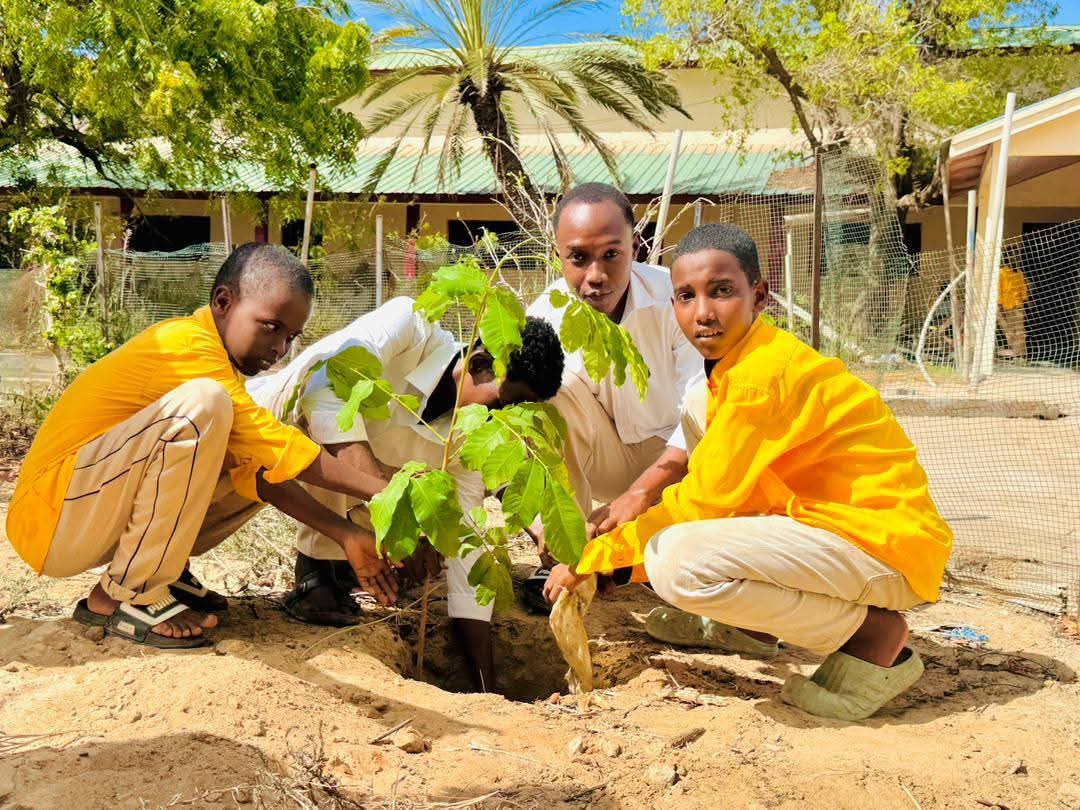
Learn MoreClimate Change Mitigation & Adaptation
Building resilience against extreme weather patterns and climate shocks that devastate livelihoods and displace communities.
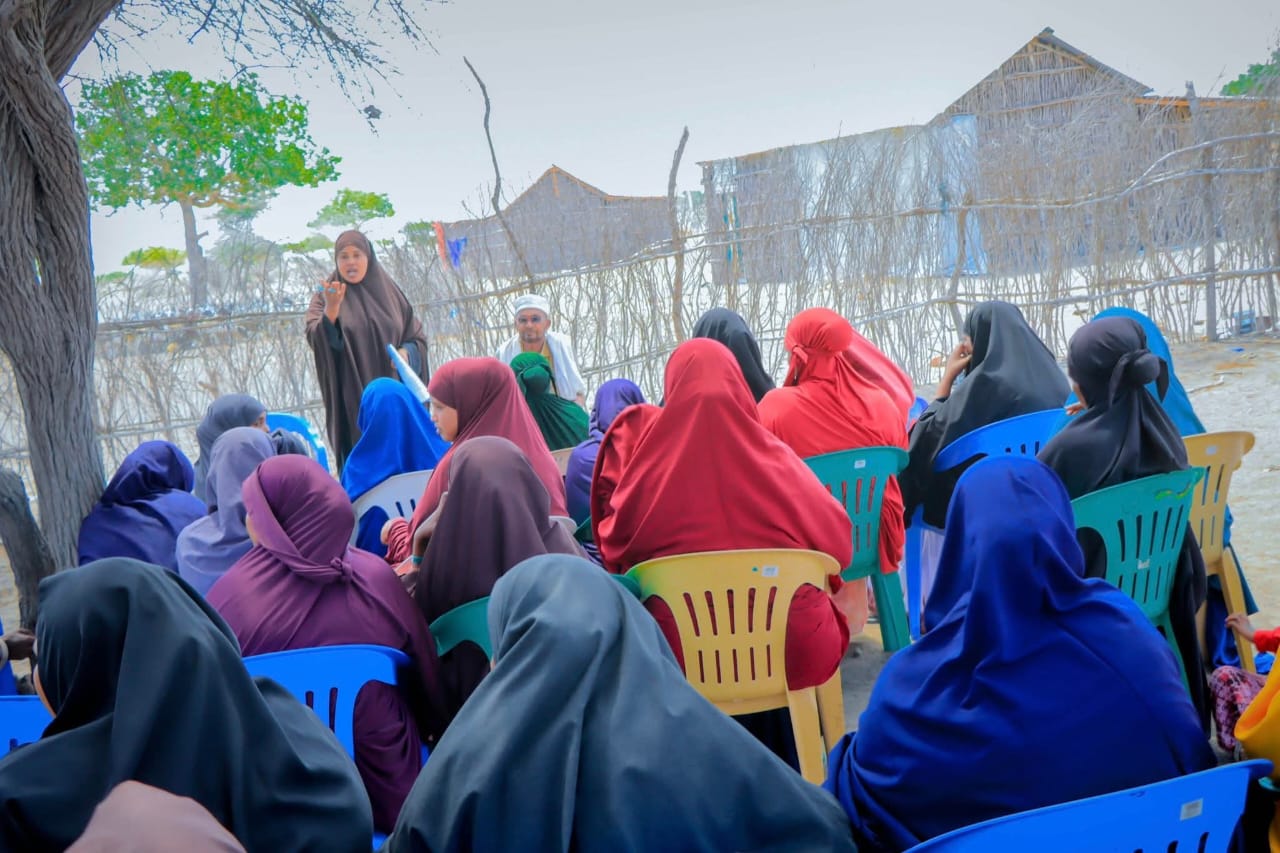
Learn MoreProtection & Human Rights
Protecting vulnerable communities from gender-based violence, child recruitment, and ensuring access to justice and psychosocial support.
Learn MoreHealth Services
Delivering essential primary health care services, reducing maternal and child mortality, and strengthening community health systems.
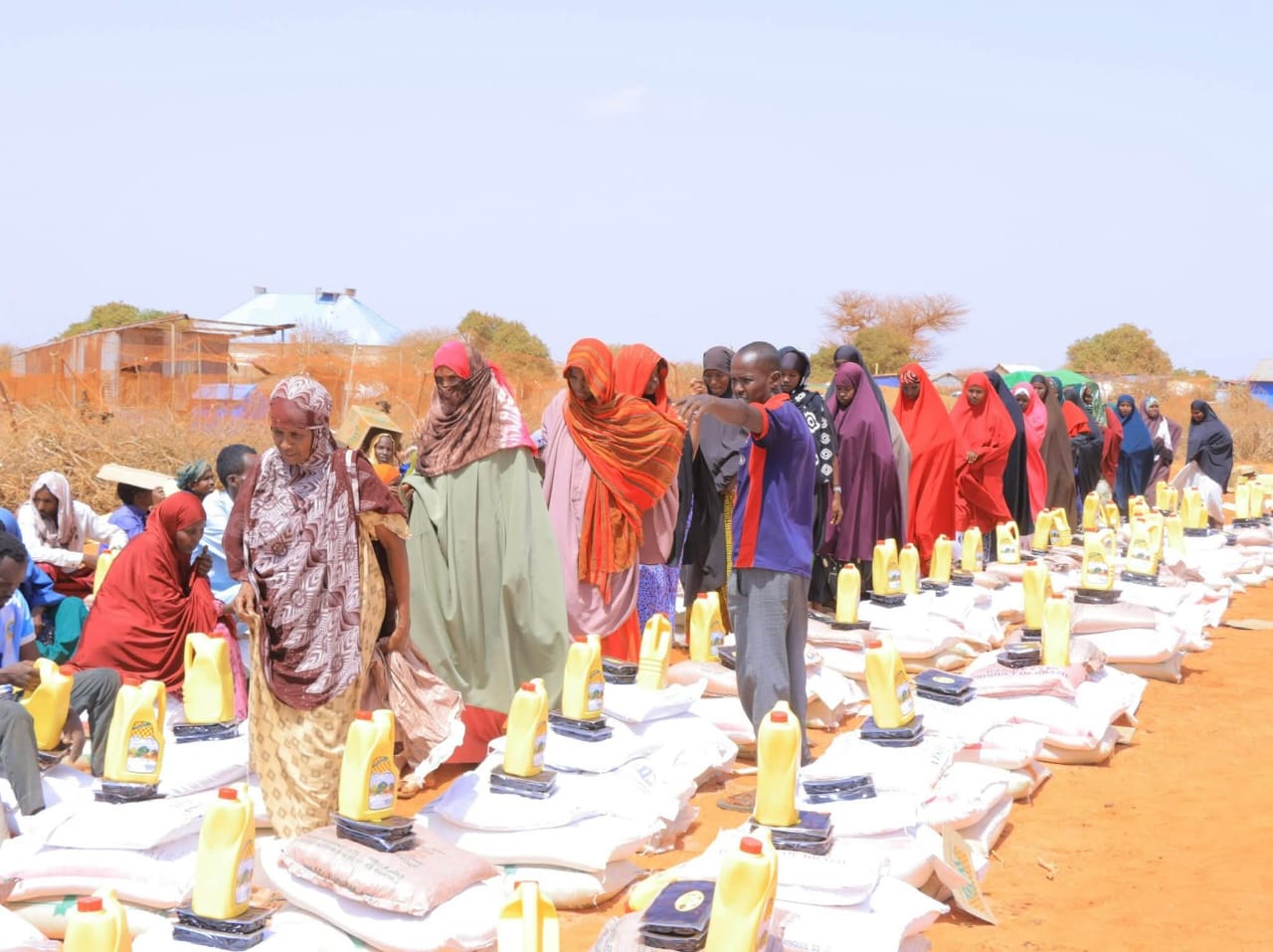
Learn MoreEmergency Response
Rapidly deploying life-saving interventions during drought, flooding, conflict displacement, and disease outbreaks.
Learn More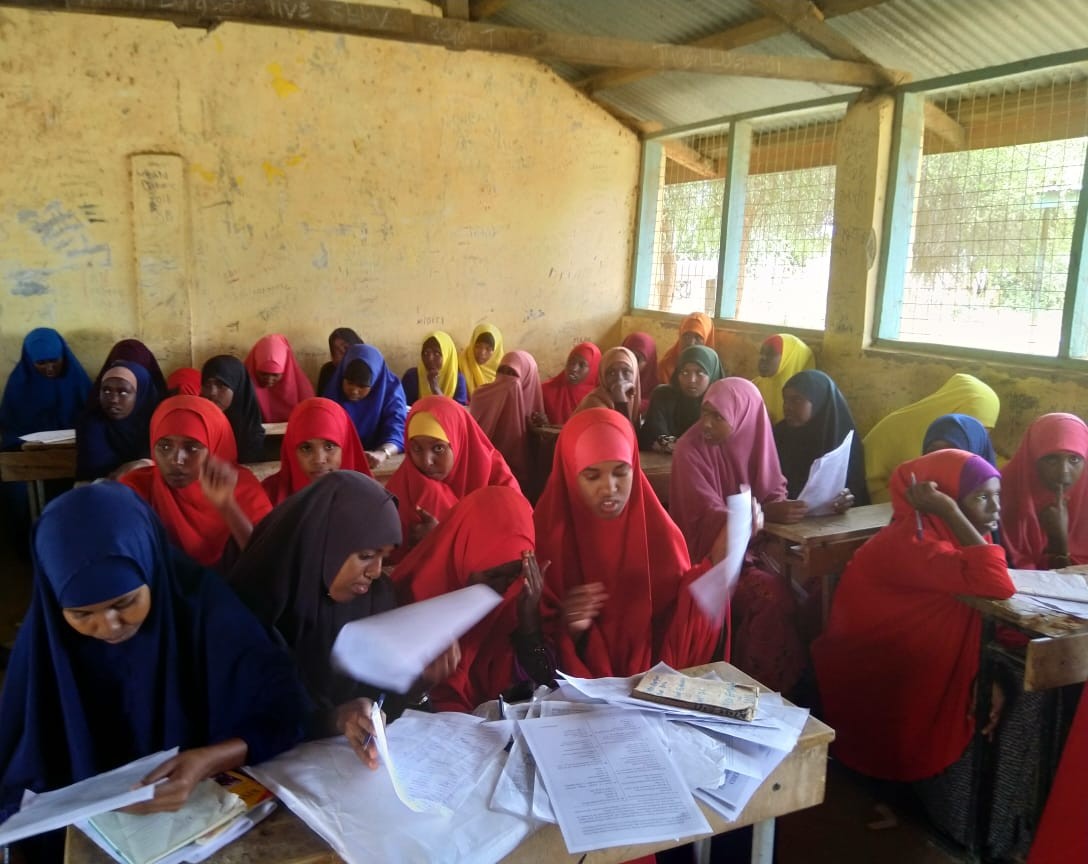
Quality Education in Somalia — Banadir, Jubaland & South West State
Somalia's education sector remains one of the most underdeveloped in the world. Somali children are expected to receive an average of just 1.72 years of schooling in their lifetimes, with girls at a greater disadvantage at only 1.48 years. The national Gross Enrolment Rate across Federal Member States stands at just 32%.
Approximately 70% of school-age children (3 million out of 4.4 million) are not attending school, with only 17% of children in rural areas or IDP settlements enrolled. Key barriers include conflict, child recruitment, poverty, and a stark urban-rural divide.
3M
Children out of school32%
Gross Enrolment Rate
Climate Mitigation & Adaptation in Somalia
Somalia ranks 172 out of 182 countries on the ND-GAIN Index, making it one of the most vulnerable countries in the world to the impacts of climate change. In 2025, an estimated 5.98 million people are projected to require humanitarian assistance, driven by the compounding effects of armed conflict, recurrent climate shocks, and disease outbreaks.
The 2024 Deyr rains ended early, leaving pasturelands severely degraded and water availability critically low, pushing 4.4 million people into Crisis (IPC Phase 3) or worse food insecurity.
172/182
ND-GAIN Vulnerability Rank5.98M
People in need of assistance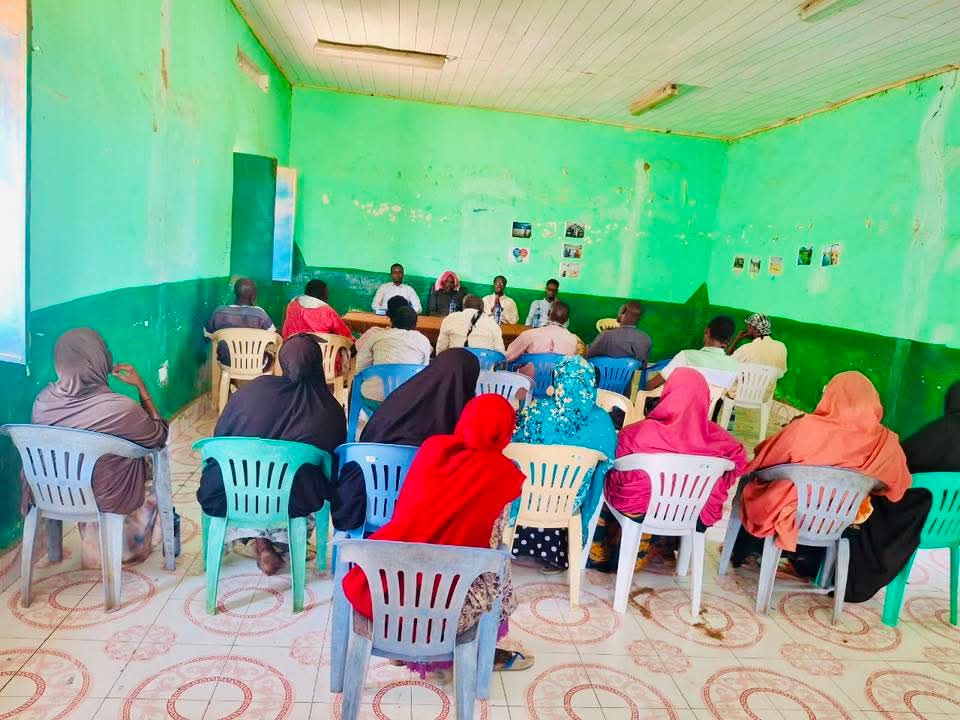
Protection & Human Rights
HARO's protection mandate is grounded in a community-centred, rights-based framework that recognises the dignity, agency, and resilience of the people it serves. HARO works with communities alongside local leaders, women's groups, youth networks, traditional structures, and civil society actors to strengthen the social, institutional, and normative foundations on which durable peace and human rights protection depend.
HARO supports communities affected by conflict-driven and climate-induced displacement, providing protection monitoring, case documentation, and advocacy for the rights of internally displaced persons.
56%
Of forced evictions in Banadir550K
Displaced by drought & conflict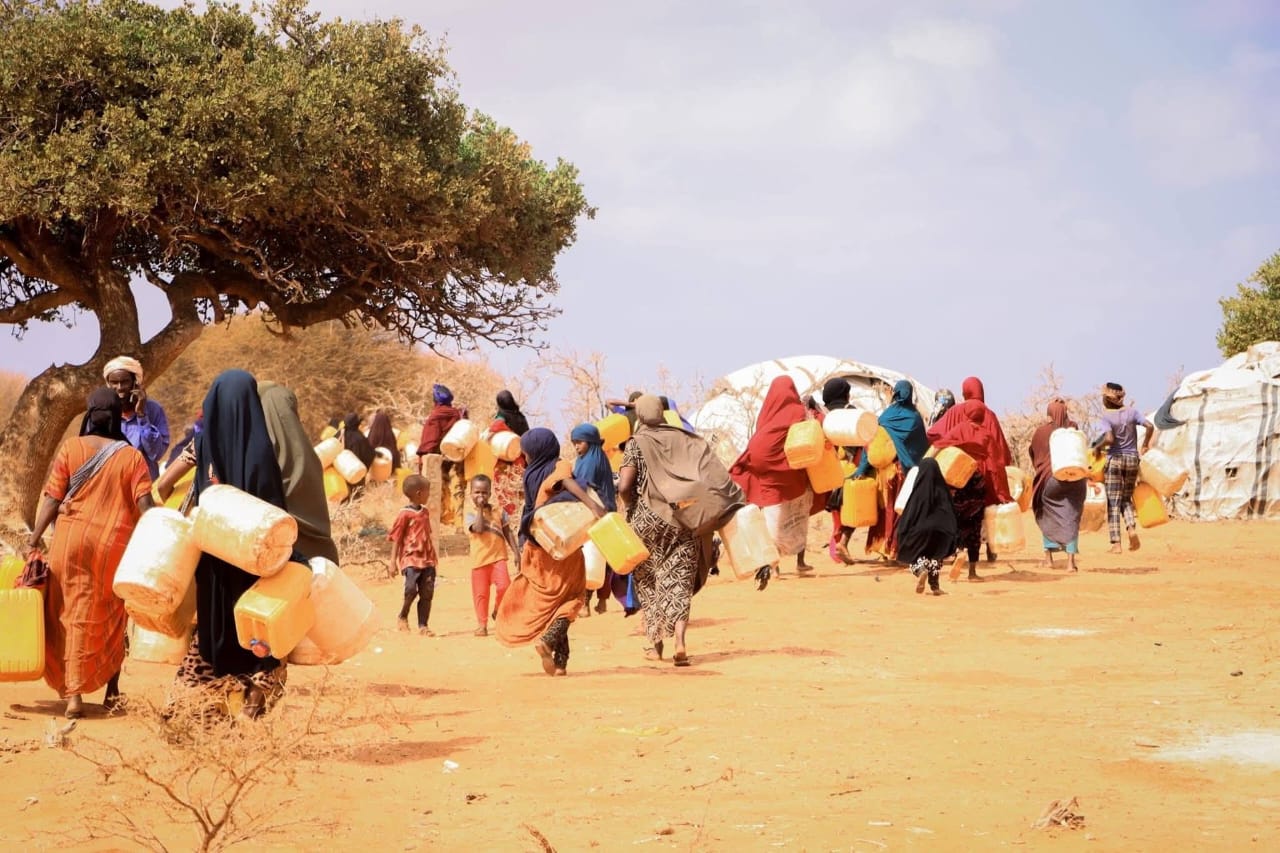
Water, Sanitation & Hygiene (WASH)
Despite significant international investment, WASH coverage across Banadir, Jubaland, and South West State remains deeply insufficient. HARO directly addresses this structural gap through a community-centred, resilience-oriented approach to WASH programming.
- Rehabilitation and construction of boreholes, shallow wells, and water catchment systems
- Construction of latrines and handwashing stations in IDP settlements, schools, and health facilities
- Community-led hygiene awareness campaigns
- Rapid deployment of WASH services during acute crises
Health Services – Primary Health Care
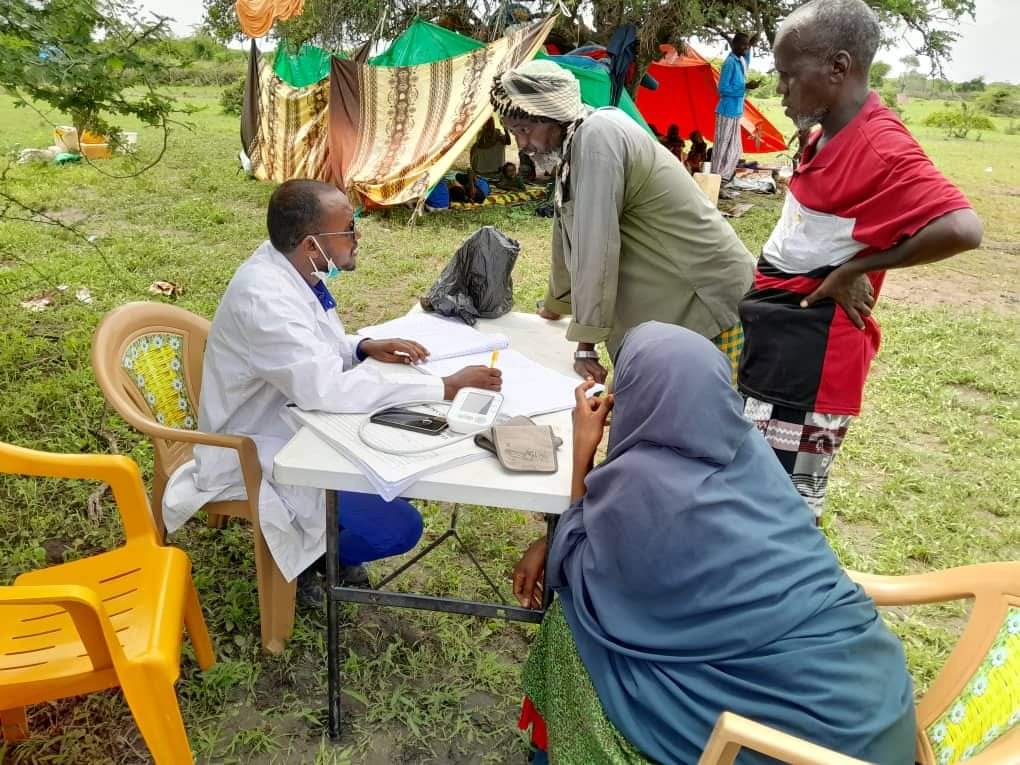
HARO is committed to expanding equitable access to quality, life-saving primary health care for vulnerable, underserved, and hard-to-reach communities across Somalia. HARO recognises primary health care as the cornerstone of community resilience.
Particular attention is given to populations facing compounded vulnerability, including internally displaced persons, returnees, women and children, persons with disabilities, and communities affected by conflict, drought, and other recurrent shocks.
692
Maternal mortality per 100,000110
Under-5 mortality per 1,000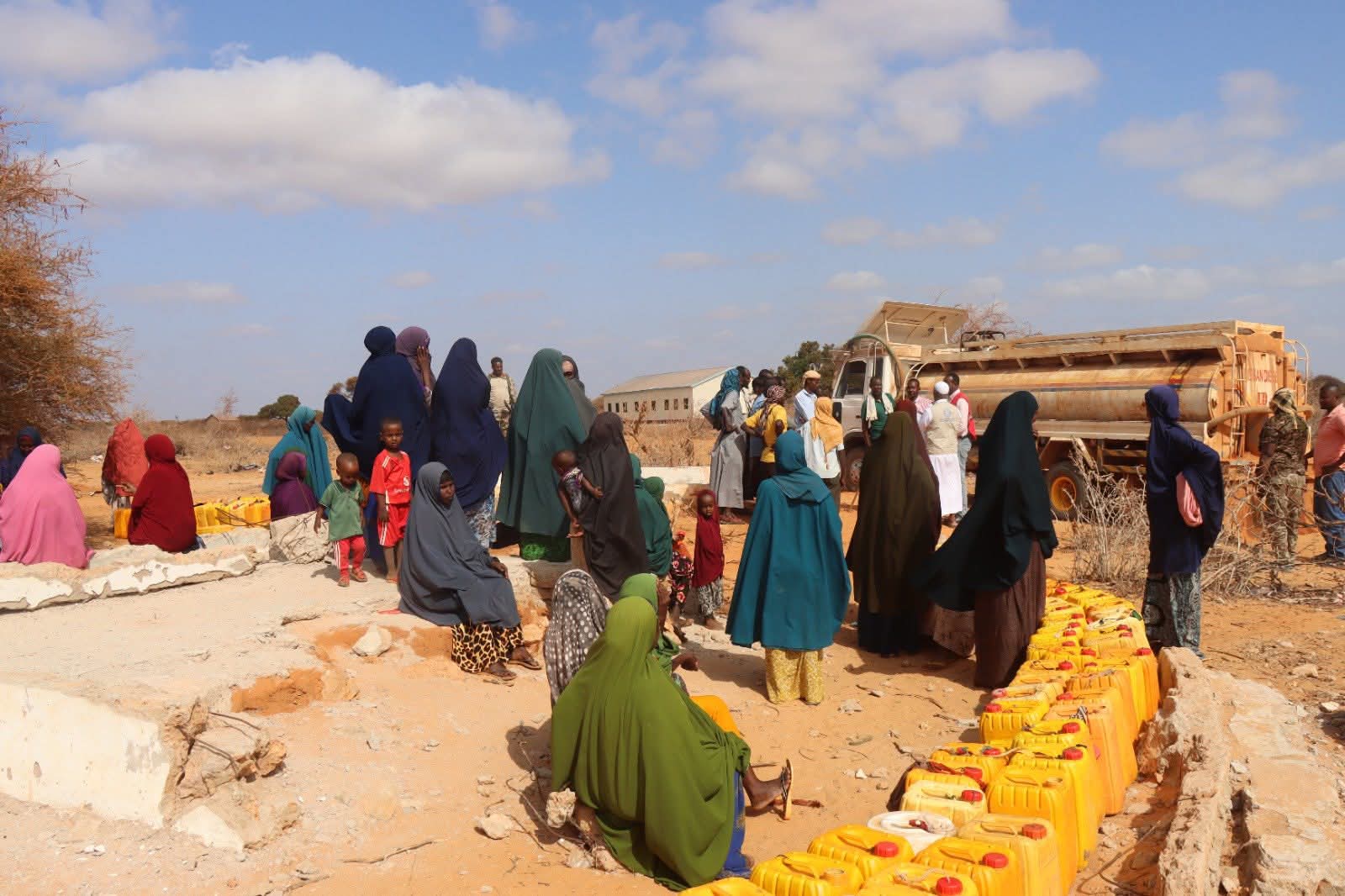
Emergency Response
Somalia does not face periodic emergencies. It lives inside one. Drought follows flood. Conflict displaces flood survivors. Disease follows displacement. The cycle does not pause, and neither can HARO's response.
HARO's emergency response model is built on four principles:
- Rapid Mobilisation: Identifying emerging crises early and mobilising without institutional lead times
- Local Access: Operating in hard-to-reach areas through trusted community relationships
- Integration: Every crisis response lays the foundations for longer-term resilience
Call To Action
Despite significant humanitarian investment from the international community, critical gaps remain, particularly in areas beyond major urban centres. HARO is established specifically to address these gaps with a locally embedded, community-centred approach.